
The Problem
Even with the advancement of AI and NLP, it is no secret that only a small portion of the world’s languages benefit from these technologies. According to Ethnologue, out of over 7,000 languages in the world, only 6.8% are institutionalized. About 45% are stable, while 42% are endangered.
As time goes on, many languages continue to disappear. Endangered and stable languages may eventually become extinct if there is no meaningful action in place to preserve and revitalize them.
The International Decade of Indigenous Languages, and Its Mission
The International Decade of Indigenous Languages (IDIL 2022-2032) is a United Nations initiative to highlight the importance of indigenous languages and drive action to preserve, promote, and revitalize them.
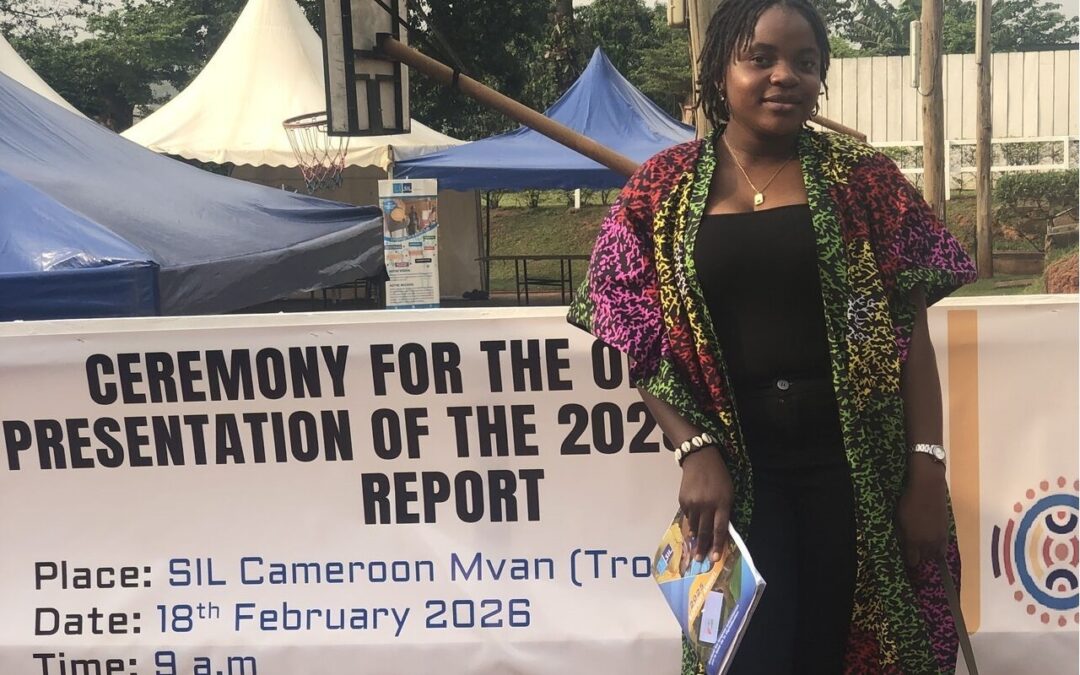
2026 IDIL Celebration in Yaounde, Cameroon
As mentioned by the Executive Director of SIL during the SIL Global’s 4th Annual Celebration of the International Decade of Indigenous Languages Conference in Yaounde, Cameroon, UNESCO identifies six pillars of language preservation:
- Documentation: Systematic recording of language in durable forms.
- Transmission: Passing the language from one generation to another
- Daily utilization: Regular and meaningful use of the language in everyday life at school, at home, at church, etc
- Status and Recognition: The social, political, and cultural value attached to the language
- Corpus and Resources: Availability of written and oral material in the language
- Community ownership and agency: The extent to which speakers control, value, and transmit their language. Linguistic citizenship preserves languages.
Existing Initiatives: The Example of SIL Global and their Work So Far
SIL, a faith-based organization that works with small language communities to help them use their languages to flourish, has indeed supported this mission through creating some tools very important for further utilizing these languages. These tools include:
- The Keyman keyboard that supports many languages
- FieldWorks Language Explorer (FLEX), which allows you to build a dictionary
- Bloom, an app that lets you create and share stories in multiple languages
Through their work in Cameroon, they are organizing literacy classes and workshops for various Cameroonian languages. Also, their partnership with other organizations, such as CABTAL, supports the development of Bibles, storybooks, and other types of literature.
This work is encouraging for the future of indigenous languages.
The Engage Africa NLP Project
The goal of Localizzz Africa, through the Engage Africa NLP project, seeks to foster accessibility and use of African languages in the digital realm through the power of NLP and ML.
The mobile app is currently used for high-quality text and voice bilingual data collection for indigenous languages and will also serve as a platform for future AI technologies.This initiative mainly solves the problem of a lack of datasets necessary to build powerful AI tools that can serve these indigenous languages.
It is a very important project, for it will affect all six pillars of the language preservation mentioned above, as we can see how AI powers so many areas of natural language today.
Conclusion:
Preserving languages is important, but enabling them to function in the digital world is equally essential for their long-term survival. Projects like Engage Africa NLP aim to ensure that African languages are not only documented but actively used in modern technology.
Trackbacks/Pingbacks